Earth is the only planet known to support life. Learn about what Earth is made of and where it came from.
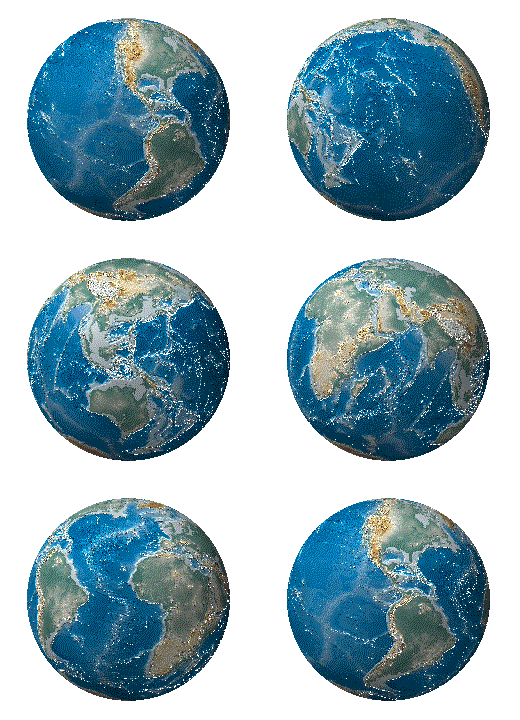
Our planet is unique for many reasons, but its available water and oxygen are two defining features. Water covers roughly 71% of Earth's surface, with most of that water located in our planet's oceans. About a fifth of Earth's atmosphere consists of oxygen, produced by plants.
There are some of heighlights of Earth
- Distance from the Sun: Earth is approximately 93 million miles (150 million kilometers) away from the Sun.
- Surface Area: Earth's total surface area is about 197 million square miles (510 million square kilometers).
- Mass: Earth has a mass of approximately 5.972 × 10^24 kilograms.
- Circumference: The Earth's circumference is about 24,901 miles (40,075 kilometers) at the equator.
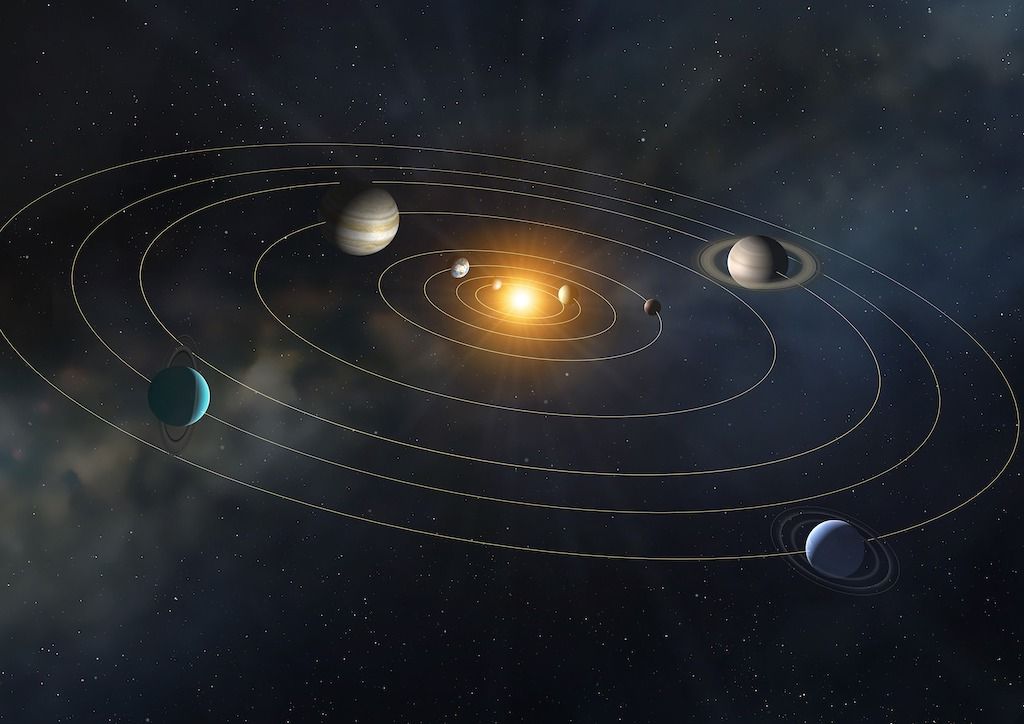
- Orbital Period: Earth completes one orbit around the Sun in about 365.25 days, which defines a year.