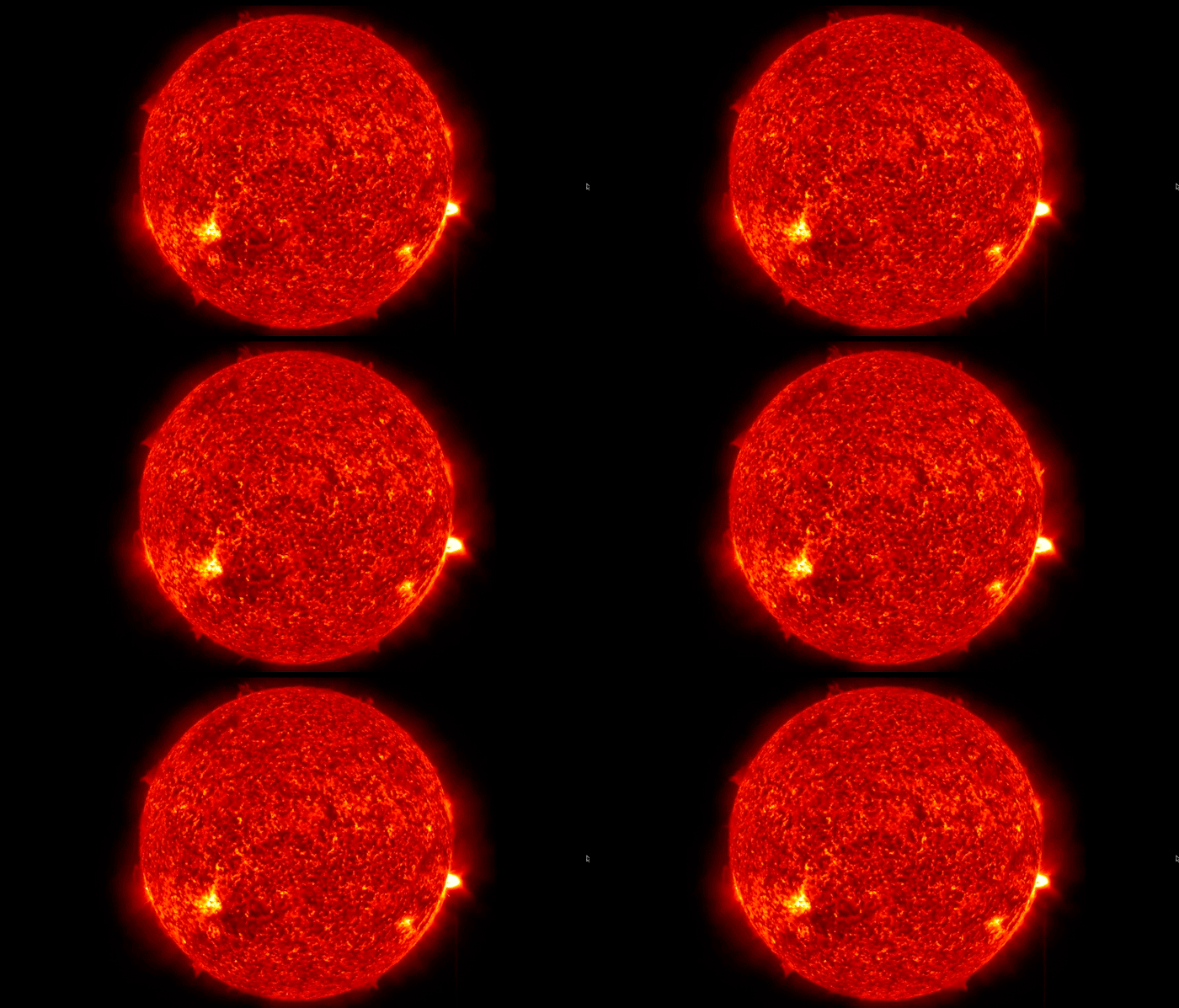
The Sun, a colossal star at the heart of the Solar System, is a nearly perfect sphere of hot plasma. It provides the Earth with light and warmth, essential for sustaining life. The Sun's surface, or photosphere, radiates energy produced by nuclear fusion reactions in its core, where hydrogen atoms fuse to form helium, releasing vast amounts of energy. This process generates solar phenomena such as sunspots, solar flares, and coronal mass ejections. Approximately 4.6 billion years old, the Sun accounts for about 99.86% of the Solar System's mass, dominating its gravitational force and influencing planetary orbits.
Planets Of Our Solar System
Mercury
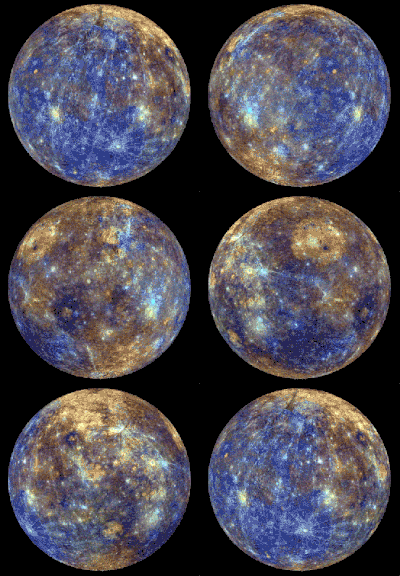
Mercury is the smallest and closest planet to the Sun in our solar system. It has a rocky body like Earth but no atmosphere to retain heat, leading to extreme temperature variations. Mercury's surface features craters and cliffs. Its orbital period is 88 Earth days, and it has no moons.
Venus
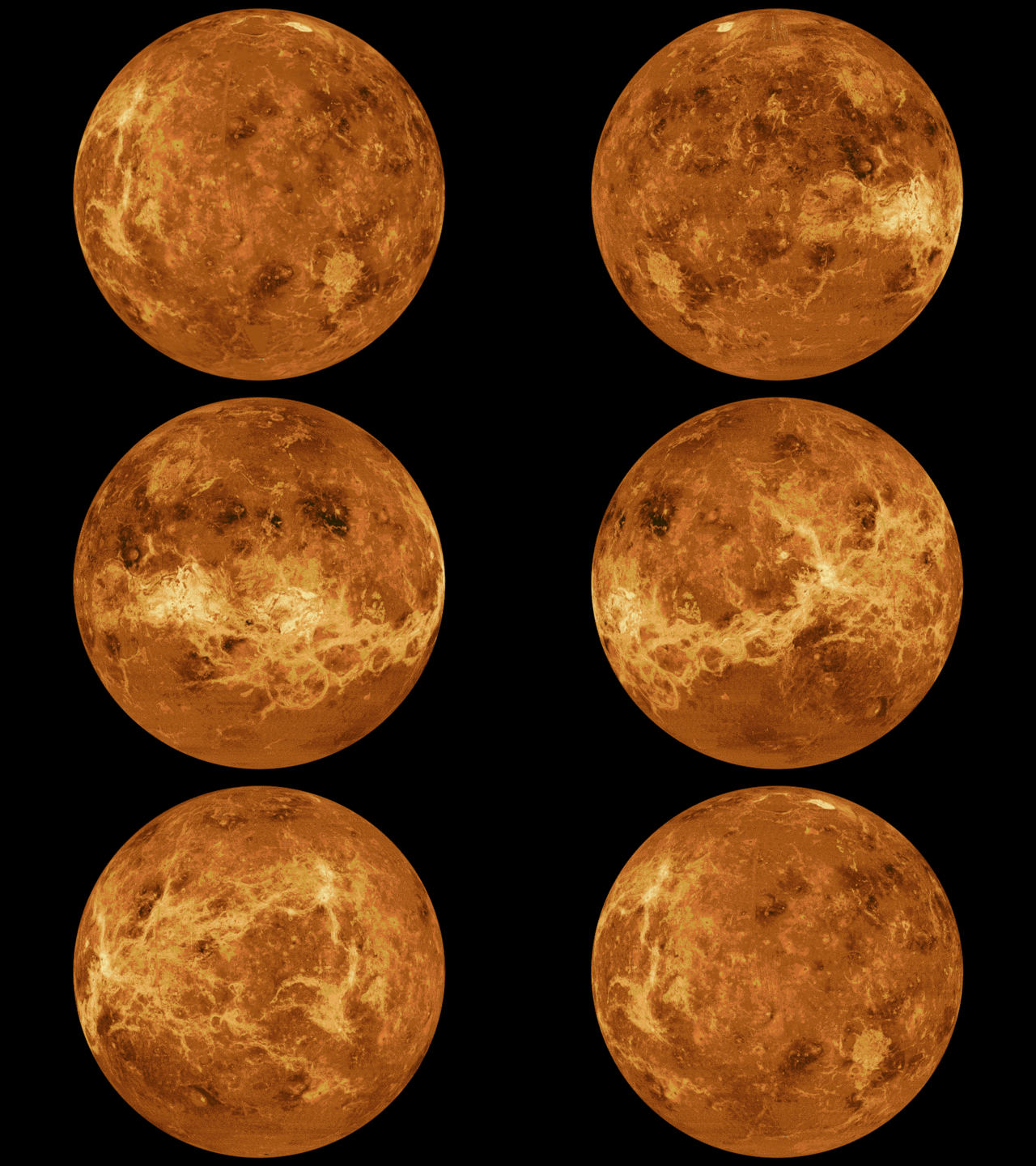
Venus, the second planet from the Sun, is similar in size and structure to Earth but with a toxic atmosphere mainly composed of carbon dioxide and clouds of sulfuric acid, leading to a potent greenhouse effect. Its surface is volcanic, and it has the hottest temperatures in the solar system.